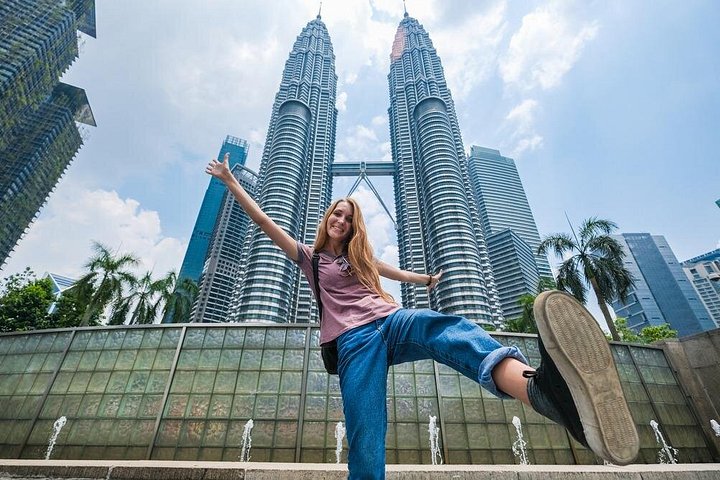
Things to Do in Kuala Lumpur
Petronas to banana-leaf curry in 12 minutes flat
Top Things to Do in Kuala Lumpur
Find activities and tours you'll actually want to do. Book through our partners -- no booking fees.


Plan Your Trip
Essential guides for timing and budgeting
Climate Guide
Best times to visit based on weather and events
View guide →Day Trips
The best excursions and nearby destinations worth the journey
Explore day trips →Where to Stay
Best neighbourhoods, hotel picks, and booking tips
Find hotels →Travel Insurance
What's required, what coverage matters, and how to get a quote
Read guide →What to Pack
Climate-specific gear, essentials, and what to leave at home
See packing list →When Should You Visit Kuala Lumpur?
Tap a month for weather, crowds, and highlights
View full year-round climate guide →Your Guide to Kuala Lumpur
About Kuala Lumpur
Kuala Lumpur greets you with controlled chaos. Diesel, incense, and grilling coconut smoke tangle in the dusk air outside KL Sentral. The azan drifts off Menara Maybank while Petronas Towers ignite like twin lighters above Jalan Alor's steam. Kampung Baru, a Malay village that refused to vanish, serves ayam percik for RM10 ($2.20) beneath a monorail that glows neon overhead.
Petaling Street at 2 AM still reeks of fried radish cake and fake leather even though half the vendors now prefer air-conditioned malls. Ten minutes from the trading floors, KL Forest Eco Park lets you sway on suspension bridges through primary rainforest for free. Macaque chatter drowns the traffic. Bukit Bintang rooftops will sell you a RM45 ($10) cocktail with skyline views.
Yet Heli Lounge Bar gives the same panorama for the price of one beer, climb five fire-escape flights to the helicopter pad. KL's weather is pure mischief. Sun flips to monsoon before you drain your kopi tarik. Grab drivers treat red lights as friendly advice. That mess is the point. You can tear roti canai with bare fingers at breakfast, haggle knock-off headphones before noon, and nurse single-origin coffee in a restored shophouse by mid-afternoon, all inside the same city center.
Travel Tips
Transportation: Download Grab before touchdown. Rides run RM8-15 ($1.80-3.30). Street taxis quote RM25-40 ($5.50-8.80) and forget the meter. LRT and MRT glide during off-peak for RM1.50-3.50. Bukit Bintang station becomes a mosh pit at 6 PM. Airport run? KLIA Ekspres to KL Sentral: RM55/$12, 28 minutes. Pre-booked cars demand RM120. Free purple Go KL buses circle attractions every 15 minutes. Ride the Green Line from Pasar Seni to KLCC when ringgit are tight.
Money: ATMs spit RM50 notes. Small stalls hate them. Withdraw RM100 from Maybank inside malls. Credit cards work in chains; Jalan Alor wants cash. Mid Valley Megamall beats airport rates by 8-10%. Watch for RM1 ($0.22) foreign fee; CIMB currently waives it. Tipping is optional. Round Grab fares up. Drivers notice.
Cultural Respect: Cover shoulders and knees at Batu Caves. Free sarongs wait. But queues hit 20 minutes on weekends. During Ramadan, skip eating on trains 6-7:30 PM. At Jamek Mosque, remove shoes and accept robes. Shorts get you turned away. At banana-leaf joints, eat right-handed. Fold the leaf toward you when done. It means you're happy. Never point with your foot. Locals read it as an insult.
Food Safety: Longest lines equal freshest food. The char kuey teow uncle on Jalan Alor never stalls. Street plates run RM5-12 ($1.10-2.60). RM25 quotes? Walk on. Ice is factory-made now. Skip sun-warmed fruit. Chow Kit market sells hot nasi lemak in banana leaf (RM2/$0.44). Hot wrap equals safer snack. Tap water is technically safe. Locals still boil or buy bottles. Your stomach will thank you after three days of sambal.
When to Visit
January through March gift-wraps KL's best weather: 28-32°C (82-90°F). Afternoon storms last exactly 27 minutes. Time your shot and rainbows crown Petronas Towers. Hotels spike 25-30% above average; RM350-450 ($77-99) for central four-star rooms. April turns brutal, 35°C (95°F) and 80% humidity. Walking feels like soup.
Ramadan (March-April 2025) shutters hawkers until 7 PM. Kampung Baru night bazaars fire up stellar murtabak. June through August is "dry" season. KL ignores labels. Sudden 4 PM floods drown Jalan Tun Sambanthan. Hotel rates drop 40%. September haze rolls in from Indonesia. Visibility shrinks to 2 km. Towers vanish. October monsoon dumps 200-250 mm daily.
Rooftops close early. November Deepavali lights up Brickfields. Kolam patterns glow through the rain. December 10-30, KL Craft Complex holds its year-end batik sale. Prices half Central Market's. June school holidays pack Aquaria KLCC shoulder-to-shoulder. Solo travelers favor January-February for hostel temps and lively rooftop bars.
Budget hunters target June-July for half-price rooms. Pack an umbrella. Bring a waterproof phone case.
More Ways to Experience Kuala Lumpur
Tours, day trips, and local experiences curated by on-the-ground operators.
Didn't see anything interesting yet?
Browse Viator's full catalog of tours, day trips, food experiences, and private guides in Kuala Lumpur.
See All Kuala Lumpur Tours on Viator